Total Guide To Study Peptide Reconstitution 2025
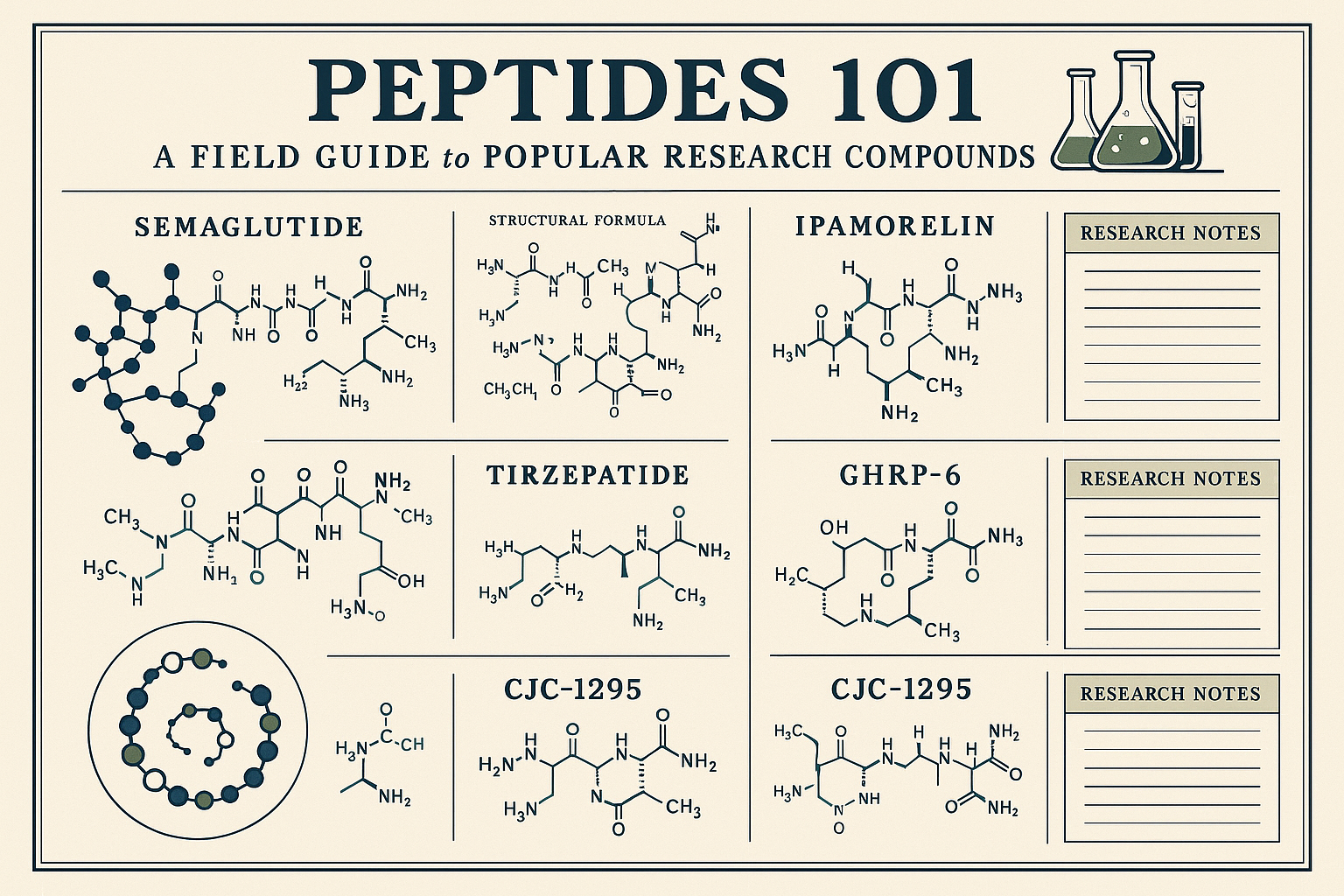
In lyophilized (freeze-dried) type, retatrutide is dramatically much more secure than when reconstituted. Maintain sealed and shielded from moisture at all times. For basic research protocols using bacteriostatic water, pH adjustment is usually unnecessary. The neutral pH of bacteriostatic water supplies a reasonable balance throughout numerous deterioration pathways. Semaglutide requires cautious attention to storage space due to its widespread use in weight loss and body composition research. Pharmaceutical-grade semaglutide in pre-filled pens has manufacturer-specified service life of 30 to 45 days after first use, saved at 2-8C.Do Peptides Need To Be Cooled?
Growth Hormonal Agent Releasing Peptides
That misattribution can lead you away from efficient peptide research completely, a far greater loss than the dollar worth of the lost substance. For wrapping clear glass vials that did not come in brownish-yellow glass. For the clearest perspective on why correct post-reconstitution storage space issues a lot, contrast the service life of the same peptide in lyophilized versus fluid form. GHK-Cu presents special storage difficulties as a result of its copper ion.- The BPC-157 calculator, semaglutide calculator, and other application devices help determine the length of time a reconstituted vial will last at your dosing timetable.Moisture-sensitive peptides additionally require specific interest as direct exposure to moisture can cause degradation or hydrolysis.Yellowing, clumping, or a contracted cake suggests troubles.For crucial research study peptides, maintain backup supply in a separate storage space place.
More delicate peptides take advantage of one of the most steady temperature zones while robust peptides tolerate much less ideal locations. Travel and shipping scenarios need short-term discrepancy from chilled storage space. Protected containers with ice packs maintain chilly temperature levels during transport. For journeys under 24-hour, this approach properly safeguards most peptides. The temperature level is cold enough for substantial security extension while continuing to be functional for regular gain access to. Unlike icy storage, cooled peptides need no thawing before usage.
Visually examining peptides can provide you some indication of deterioration. Clumping, staining, or the presence of bits in reconstituted peptides are indications that the item may no more be useful. However, peptide destruction can occur at the molecular level without noticeable modifications, so it's important to adhere to storage space standards strictly.